 Eleanor Whitcombe
Walk into any online casino and you'll see them: hundreds of slot titles, all flashing, all promising. And right there, at 2 a.m., is a player convinced the machine is "due." They've been feeding it for an hour, certain the payout is coming. It isn't. Not because the game is rigged, but because they've misunderstood the one thing that actually governs slot play. That misunderstanding—plus a few others—costs casual players more money than any house edge ever will. Let's fix it.
Slots Don't Have Memory, So Stop Playing Like They Do
Here's the uncomfortable truth: every spin on a modern slot is statistically independent. A machine that hasn't paid out in 300 spins isn't "warming up." Its odds on the next spin are identical to its odds on the first. This is called the gambler's fallacy, and it's the single most expensive belief in the casino. Those comparing choices often turn to สล็อตเว็บตรง.
What actually matters is a number you'll find in the game's payout table or help screen: RTP, or Return to Player. An RTP of 96% means that over millions of spins, the machine returns 96% of all wagered money to players. It says nothing about your session. You can hit a 96% RTP slot and lose for two hours straight, or triple your deposit in ten spins on the same game.
The practical takeaway isn't avoiding slots—it's knowing which slots to avoid. Low-volatility games (like many classic three-reel titles) pay small and often. High-volatility games (think Money Train or San Quentin-style releases) can go fifty spins without a single win, then hit for 500x. Neither is "better." They're different experiences with different bankroll requirements.
Reading RTP and Volatility Like Someone Who Knows
If you only do one thing differently after reading this, make it this: check the RTP before you spin. Sites like SlotCatalog and the developer's own help menu list it. Here's a rough map of what's worth playing:
- 97%+ RTP: Rare, but these exist (some NetEnt classics, certain Jackpot 6000 variants). Play these when you find them.
- 95–96.5% RTP: The sweet spot for most modern slots. Perfectly reasonable.
- 94% or lower: Getting into stingy territory. Many Megaways titles with big max wins sit here on purpose—you're paying for the lottery-ticket upside.
- Below 92%: Usually jackpot-linked progressives or very old games. You're largely funding the jackpot pool.
Volatility is the second lever. Here's a quick rule of thumb: if your bankroll is $50, play low-volatility. If it's $500 and you're chasing a big hit, high-volatility becomes realistic. Never sit down at a high-volatility slot with a small bankroll and expect to survive the swings—you won't.
The Betting Side: Where Discipline Beats Knowledge
Sports betting and poker get all the "skill game" attention, but betting is where the biggest edge actually exists for disciplined players. Matched betting (using free bets and promotions to guarantee profit) built an entire industry for a reason. If you're betting for fun rather than arbitrage, the fundamentals still matter:
- Compare odds across books. A 2.10 vs. 2.05 on the same outcome is a real money difference over 100 bets.
- Understand the margin. If a book offers 1.90/1.90 on a true 50/50, they're taking ~5% of your long-term action. Find the 1.95/1.95 books.
- Bet with your head, not your team. The single most common leak in recreational betting is paying a premium to back your favorite side.
Also worth knowing: accumulator bets compound the bookmaker's edge with every leg. A ten-leg parlay at typical prices has a theoretical return that makes slot RTPs look generous. They're fun. They're not a strategy.
Poker Is a Skill Game—Until You Forget That It Is
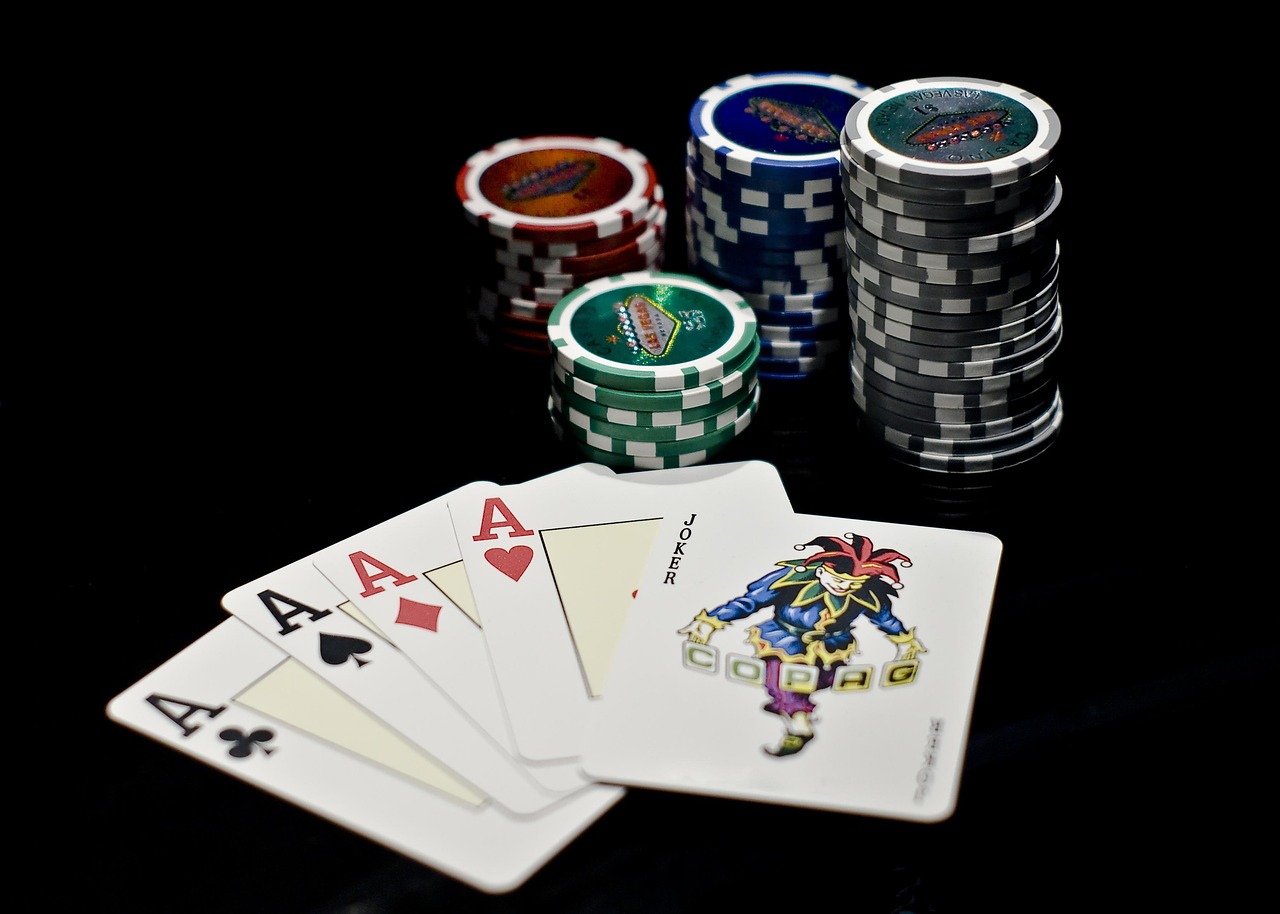
Poker is the one genuine exception in the casino menu. Unlike slots, your decisions measurably change your results. You can be the house—every opponent's mistakes become your profit. But that cuts both ways. Most players don't lose because they lack natural talent. They lose because they can't fold a strong-but-second-best hand, they play too many starting hands, and they don't account for position.
The math is unforgiving and simple: if you're playing 40% of starting hands, you're playing too many. If you're opening preflop from early position with Ace-Ten offsuit, you're losing money slowly. If you stack off on a single pair against a raise and a re-raise on a dry board, you've already lit your buy-in on fire. Track your sessions. Use a hand-history tracker, even free ones. The players who actually improve are the ones willing to look at the data telling them they're the leak.
Bankroll Management: The Boring Superpower
Everyone wants to talk about strategy. Almost no one wants to talk about bankroll management, which is strange because it's the reason winning players stay winning and losing players keep reloading. The rules are boring, and they work:
- Separate your gambling money from everything else. Completely. No exceptions.
- For slots, keep a session bankroll of at least 100–200x your spin size.
- For cash poker, buy in for no more than 5% of your dedicated bankroll. Slightly more for tournaments (usually 2%) because of variance.
- Set a loss limit and a win limit before you sit down. Then obey them. The house isn't going anywhere.
This is the inverse of the dumbest thing you can do: win a little, then chase the big score, then lose it all. Every iGaming veteran has watched that story play out. The players who last—who don't swear off gambling forever after a bad night—are the ones who treat bankroll management as the actual skill.
What the Smartest Players Understand That You Probably Don't
Here's the honest summary. Yes, the house has an edge—even at a 96% RTP slot, you're paying a noticeable tax over time. But the edge isn't usually what kills a session. Poor decisions within the session do. Chasing losses on a slot that "owes you." Parlaying a winning afternoon into one catastrophic accumulator. Playing stakes that would hurt to lose just because you're on a heater.
The players who survive long enough to actually get lucky share three traits: they know the RTP and volatility of what they're playing, they size their bets relative to their bankroll rather than their emotions, and they treat every session as a discrete event rather than part of a story. That's the real difference. Not insider knowledge, not secret machines, not the gut-feeling read on that third card. Just discipline applied to information anyone can look up. Once you internalize that, slots, betting, and poker all get a lot less expensive—and, weirdly, a lot more fun.


