 Eleanor Whitcombe
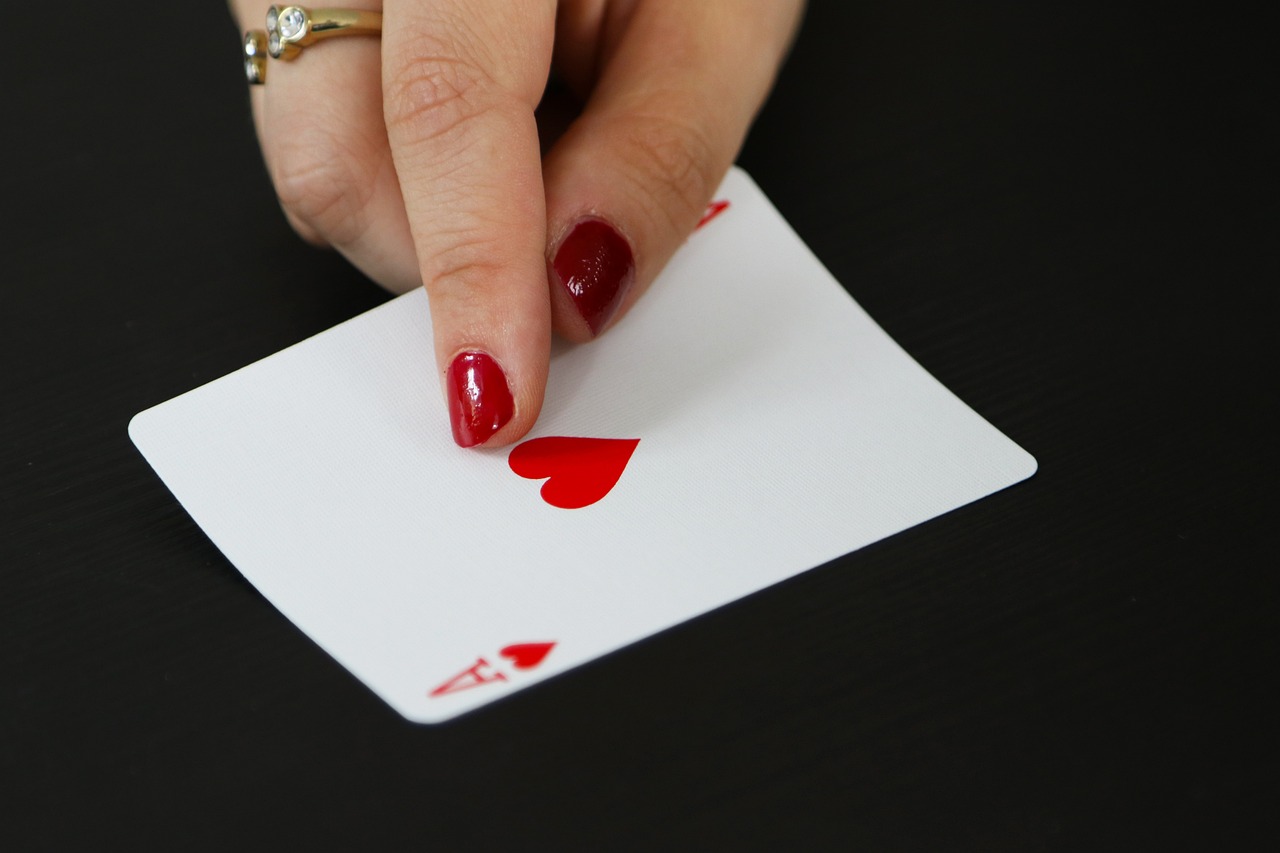
Most people lose at gambling for the same boring reason: they don't understand what they're actually playing. They treat a slot machine like a piggy bank and a poker table like a lottery ticket. Flip those assumptions and the entire experience changes — not because luck disappears, but because you finally know where your money is going and why.
Let's walk through the four pillars of iGaming — slots, casino table games, sports betting, and poker — and talk about the stuff that actually matters: house edge, variance, and the handful of decisions that separate a fun night from a slow bleed.
Slots: High Variance, No Memory, and Why Your Pattern Doesn't Exist
Modern video slots are the most misunderstood product in gambling. Every spin is independent. The machine doesn't "heat up," it doesn't "owe you one," and the person who just cashed out $2,000 didn't leave anything behind for you. If a game runs at 96% RTP, that's a long-run average across millions of spins, not a promise for your session.
Here's what actually separates good slots players from frustrated ones:
- RTP vs. volatility. A 96% RTP game with low volatility pays small and often. A 96% RTP game with high volatility might pay 1,000x — but you may need 500 spins to see it. Same theoretical return, completely different experience.
- Bet sizing. If you deposit $50 with a $1 bet, you have 50 spins. At 3 spins per second, that's under 20 seconds. Slot sessions are short because the math eats you fast. Drop to $0.20 and you get 250 spins — real time to actually enjoy the volatility.
- Bonus buy math. A 100x bonus buy is basically a shortcut to the same variance. If the bonus' average return is below 100x, you're paying a premium for the privilege of skipping spins. Check the numbers before you click.
My honest tip: pick slots based on volatility first, then theme. Someone with a $100 bankroll should not be grinding 25,000x max-win Megaways games and expecting a good time.
House Edge: The One Number That Actually Matters
Every casino game can be ranked by a single metric — house edge. That's the percentage the casino keeps over the long run. You cannot change it, but you can pick games where it's low enough to give yourself a fighting chance.
- Blackjack (basic strategy): 0.5% or lower, depending on rules
- Baccarat (banker bet): 1.06%
- Craps (pass line + odds): around 0.5% with full odds
- European roulette: 2.70%
- American roulette: 5.26% — the extra double-zero matters more than people think
- Slots: typically 2% to 10%, but can be much worse
- Big Six wheel of fortune: often 11% to 24% — some of the worst odds in any casino
Consider the gap: $1,000 wagered on a 1% edge game costs you about $10 in expectation. Same $1,000 on a 5% edge game is $50. Over a year of regular play, that's the difference between losing your entertainment budget and losing your savings. The games don't feel different while you're playing them. That's the trap.
Poker Is Not Gambling — It's a Skill Game With Variance
This is the hill I'll die on. Poker is the only game in this article where a good player can reliably beat the house over thousands of hands. Why? Because you're not playing against the casino — you're paying them a rake and playing against other humans. That's a critical distinction. For a closer look, สล็อตเว็บตรง has helpful details.
Key concepts that separate winning players from break-even players:
- Position. Acting last gives you information. A hand like 7-8 suited is unplayable from early position and profitable from the button.
- Pot odds. If you have a flush draw on the turn, roughly 19% to hit, you need the pot to give you better than 4-to-1 to call profitably. Learn this or lose slowly.
- Bankroll management. A cash game grinder should have 20+ buy-ins for their stake. A tournament player needs 50+ entries minimum. Skipping this step is why so many promising players go broke.
If you're playing poker for entertainment, that's fine. But understand: against a table full of strong players, you're not gambling — you're donating. Pick tables with weaker players (the "soft" ones) and your win rate changes immediately.
Sports Betting: Line Shopping and Closing the Gap
The biggest edge in sports betting isn't picking winners. It's shopping lines. A spread of -3.5 at one book and -3 at another looks like a small difference. Over 500 bets, it's the difference between long-term profit and slow erosion.
Three practical rules:
- Use multiple sportsbooks. Prices vary by 5% or more between bookmakers on the same market. Having three or four accounts is basic hygiene, not greed.
- Fade public money cautiously. Popular teams move lines because squares bet them. When the public is heavy on one side and the line doesn't move, that's a signal sharp money is on the other side.
- Track your bets like a trader. Spreadsheet, units, closing line value. If you're not recording your results, you have no idea whether you're actually good or just running hot.
State-legal US sportsbooks run on margins of 4% to 8% per bet on average. That's your tax. Great bettors whittle that down with line shopping and smart pricing. Casual bettors pay the full toll.
The iGaming Habits That Actually Compound
After a decade of watching people play, the winners share a few boring habits. None of them involve strategy plays or gut feelings.
They set session limits before they log in, not during a losing streak. They know exactly what a good bet size looks like relative to their bankroll. They treat bonuses as math problems, not free money — wagering requirements of 30x or 40x mean the bonus is often worth less than the fine print suggests. They also use responsible gambling tools like deposit limits, self-exclusion, and reality checks without embarrassment. Those aren't signs of weakness; they're the tools that keep the entertainment from becoming the problem.
One more thing that matters more than any strategy: never chase losses. The math doesn't change because you're angry or frustrated. If anything, tilt — that hot, desperate feeling after a bad beat — is the single biggest destroyer of bankrolls in every game on this list, from slots to poker to live betting.
Final Thought
iGaming is neither the cartoonish villain nor the unlimited buffet people pretend it is. It's a set of games with published odds, and you decide whether the entertainment is worth the price. Learn the house edge. Respect variance. Play poker against weaker opponents. Shop your lines. Set limits you actually honor. Do these things and the experience is genuinely fun — and occasionally, genuinely profitable. Skip them, and the casino will happily teach you the same lesson the math tried to teach you first.


